Keep on the Sunny Side of Coding Sunburn
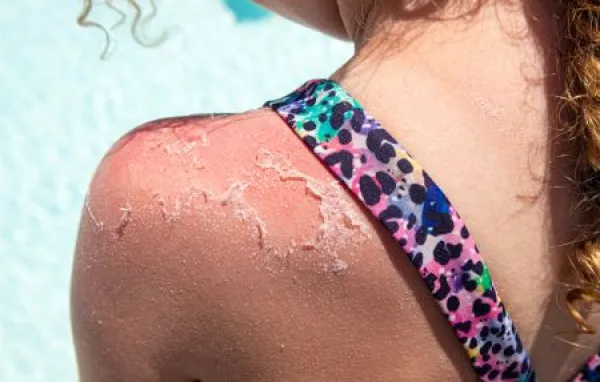
Only use code 16000 if treatment was performed. With summer fast approaching, children will be outside and exposed to sunshine, which means sunburn cases will be on the rise in your pediatric practice. Coding for sunburns may appear simple, but don’t be fooled into thinking coding this condition is a breeze. Examine the information below along with a coding example to safeguard you from getting burned by denials while coding sunburn cases this summer. Look to These Burn CPT® Selections Below are the most-used codes for first- and second-degree burns: If your provider treats a first-degree burn using treatment such as cleansing and ointment, then 16000 is appropriate. A first-degree burn affects the epidermis only. The most likely treatments reported with 16000 involve the use of cool compresses, and topical medication application such as Silvadene or triple biotic ointment. These burns rarely require dressings, but some physicians may apply topical anesthetics to relieve pain. Make note: Not every burn patient will require treatment that qualifies for a code from the 16000-16030 series. If the burn was minor enough that no treatment was provided, such as a minor sunburn that required no dressing, debridement, or local treatment, you should include the burn treatment in the evaluation and management (E/M) code for your service that day. Choose the Correct ICD-10-CM Code Depending on the degree of the case of sunburn you determine, you will report one of these ICD-10-CM codes for the sunburn diagnosis: Try Coding This Example A 7-year-old established patient is brought in by their parent after being sunburned following a day spent at a water park. The physician determines the patient has a first-degree sunburn on their upper legs and second-degree sunburn on their shoulders and back, which have now blistered. The practitioner applies antibiotic cream to the patient’s thighs. They debride, clean, and dress their back and shoulders. In this case, you should begin by using code 16000 for the treatment of the sunburn of the patient’s upper legs. Usually, the provider applies a topical treatment like aloe vera lotion or an antibiotic cream in this situation, but no dressing needs to be applied to the legs in this scenario. Because the burns on the patient’s back and shoulder are second-degree burns and more severe, they will require more extensive treatment. These have gone into the dermis and are regarded as being partial-thickness burns as they have blistered. Your coding choice here will depend on the total body area affected. Code 16020 is most appropriate since less than 5 percent of the patient’s total body area is affected. On your claim, you should report: Coding tip: If you are nervous about coding the total body area affected, and the practitioner’s notes are unclear, it is best to query them before choosing your code. As second-degree burns are deep, and won’t heal as quickly, there is a good chance that the patient may report back to your office for further debridement and a change of dressing. Because any follow-up care will be considered a planned procedure, there is no need for further assessment other than that related directly to the burn, so no E/M coding will be necessary. Therefore, don’t hesitate to use the 16020 code each time the patient visits your office for the same burn. Per CPT®, the code 16020 has zero global days Lindsey Bush, BA, MA, CPC, Production Editor, AAPC