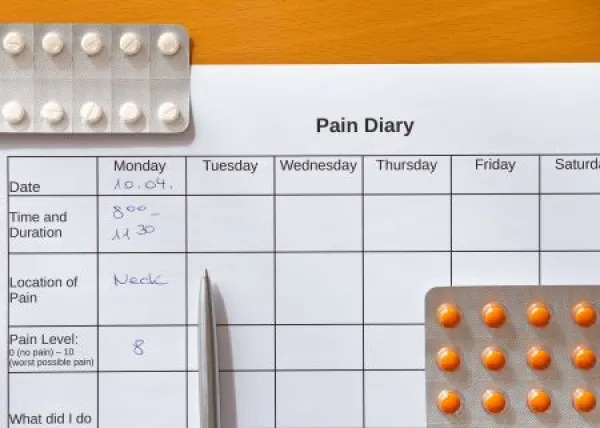
Get Patients to Track Pain With Diary
Question: We are a small pain management (PM) clinic in a rural area. We treat several elderly patients with chronic pain. Sometimes, it is difficult to treat these patients because they have trouble remembering the timing and intensity of their pain. Is there a way to mitigate this issue? AAPC Forum Participant Answer: A good way to keep patients thinking about their pain when they aren’t in the PM clinic is having them keep a pain diary. This document would be a daily log of the patient’s pain experiences and the circumstances surrounding them. With the information from a pain diary, your PM specialist can better understand the patient’s pain. Though pain diaries can be used for a week or two for short-term, acute pain, it is recommended that chronic pain patients keep these logs for months, or perhaps longer depending on patient specifics. Template a must: You shouldn’t put the onus on patients to just start writing about their pain; create a template that instructs them how to best document their pain issues. A pain diary should be considered for all patients your PM clinic treats — not just the ones with chronic pain. There are a few good examples of pain diaries online, like this Daily Pain Diary, this Pain Diary Template, and this Pain Diary. Take a look at these before formulating a diary specialized for your patients’ needs. Here are some questions you might want to consider when formulating a pain diary template: Chris Boucher, MS, CPC, Senior Development Editor, AAPC